Reading to your child is one of the most beneficial activities you can do as a parent. It nurtures cognitive development, strengthens emotional bonds, and lays the foundation for lifelong learning. Here’s why it matters and how to make the most of your reading time.
Prices are exactly the same for you if your purchase is through an affiliate link or a non-affiliate link. You will not pay more by clicking through the link.
Benefits of Reading to Children
- Exposure to diverse vocabulary and complex sentence structures enhances linguistic skills.
- Stories stimulate imagination and improve concentration.
- Books help children understand emotions and develop empathy.
- Early exposure to reading correlates with better school performance.
- Reading together creates lasting memories and strengthens parent-child relationships.
Reading Tips
- Begin reading to your child from infancy.
- Make reading a daily habit, perhaps before bedtime.
- Ask questions about the story and encourage predictions.
- Select books that match your child’s interests and comprehension level.
- Vary your tone and use different voices for characters to make the story come alive.
- This helps children connect spoken and written language.
- Repetition aids learning and builds confidence.
- Let your child see you reading for pleasure.
Resources
- Most libraries offer free children’s programs and borrowing services.
- Websites like Storyline Online provide free video storytimes.
- Try Epic! or Reading Eggs for interactive reading experiences.
- Consider services like Literati or OwlCrate Jr. for curated book selections.
- Use tools like Goodreads to track your child’s reading progress.
Remember, the goal is to foster a love of reading. Keep it fun, engaging, and to your child’s interests. With consistency and enthusiasm, you’ll be nurturing a lifelong reader.
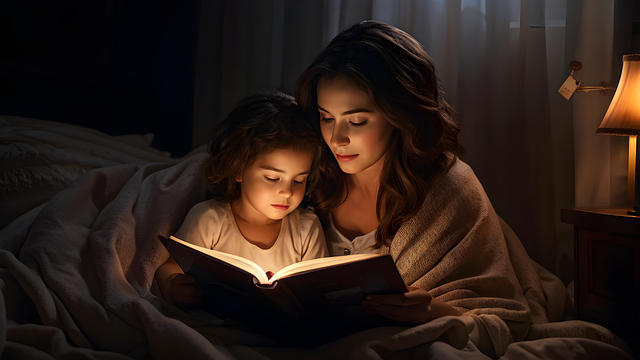
Getting Started with Reading to Your Child
- Start Early
- Begin reading to your baby from birth
- Even newborns benefit from hearing your voice and language patterns
- Choose Appropriate Books
- For 0-6 months: High-contrast board books or cloth books
- For 6-12 months: Sturdy board books with simple pictures
- For 1-2 years: Board books with simple stories and rhymes
- For 2-3 years: Picture books with more complex stories
- Create a Comfortable Reading Space
- Find a quiet, well-lit area
- Use a comfortable chair or couch where you can hold your child
- Set a Routine
- Choose a consistent time each day (e.g., before nap or bedtime)
- Start with short sessions (5-10 minutes) and gradually increase the duration
- Position Your Child Properly
- For infants hold them close, facing the book
- For toddlers let them sit on your lap or next to you
- Engage Your Child
- Point to pictures and name objects
- Use different voices for characters
- Ask simple questions about the story or pictures
- Be Animated
- Use facial expressions to convey emotions
- Incorporate hand gestures to illustrate actions
- Allow Interaction
- Let your child touch the book and turn the pages
- Encourage them to point at pictures or repeat words
- Be Patient and Flexible
- Don’t worry if you don’t finish the book
- Follow your child’s lead and interests
- Expand Your Library
- Visit your local library regularly
- Rotate books to maintain interest
- Make It a Family Activity
- Involve siblings in reading time
- Encourage other family members to read to the child
- Use Technology Wisely
- Introduce e-books and reading apps as supplements, not replacements
- Always prioritize physical books and in-person reading
- Track Progress
- Keep a simple log of books read
- Celebrate reading milestones
- Lead by Example
- Let your child see you reading for pleasure
- Discuss books you’re reading with your child
- Join Reading Programs
- Participate in library storytimes
- Look for local reading groups for parents and children
Remember, the key is consistency and enjoyment. Don’t stress about perfection – your child will benefit immensely from the time and attention you give during reading sessions. As you progress, you’ll find what works best.
Tips for Selecting Books for Children
Choosing the right book for your child can spark a lifelong love of reading. Here are some tips
Consider Your Child’s Age and Interests
- Toddlers and Preschoolers: Focus on bright, colorful picture books with simple stories and repetitive language.
- Early Elementary: Introduce chapter books with engaging plots and relatable characters. Consider their interests, whether it’s dinosaurs, princesses, or outer space.
- Older Elementary: Expand their horizons with a variety of genres, including fantasy, adventure, and historical fiction.
Pay Attention to Reading Level
- Match the book to your child’s reading ability
- Look for guided reading levels or age recommendations.
- Consider using online tools or asking a librarian for guidance.
Encourage Diversity and Representation
- Choose books with characters from different backgrounds and cultures.
- Expose your child to diverse perspectives and experiences.
Prioritize Quality
- Look for well-written stories with engaging plots.
- Choose books with beautiful illustrations that complement the text.
- Consider award-winning books or recommendations from trusted sources.
Make it Fun
- Read aloud together and discuss the story.
- Let your child choose books based on their interests.
- Create a cozy reading nook or visit the library regularly.
Thank you for reading “Why is Reading to your Child Important, and if you found this helpful please share it with your family and friends. Feel free also to leave me any feedback in my comments section, so until next time relax with a good book.
Jeff

Discover more from The Curious Reader's Corner
Subscribe to get the latest posts sent to your email.

 The Curious Reader's Corner